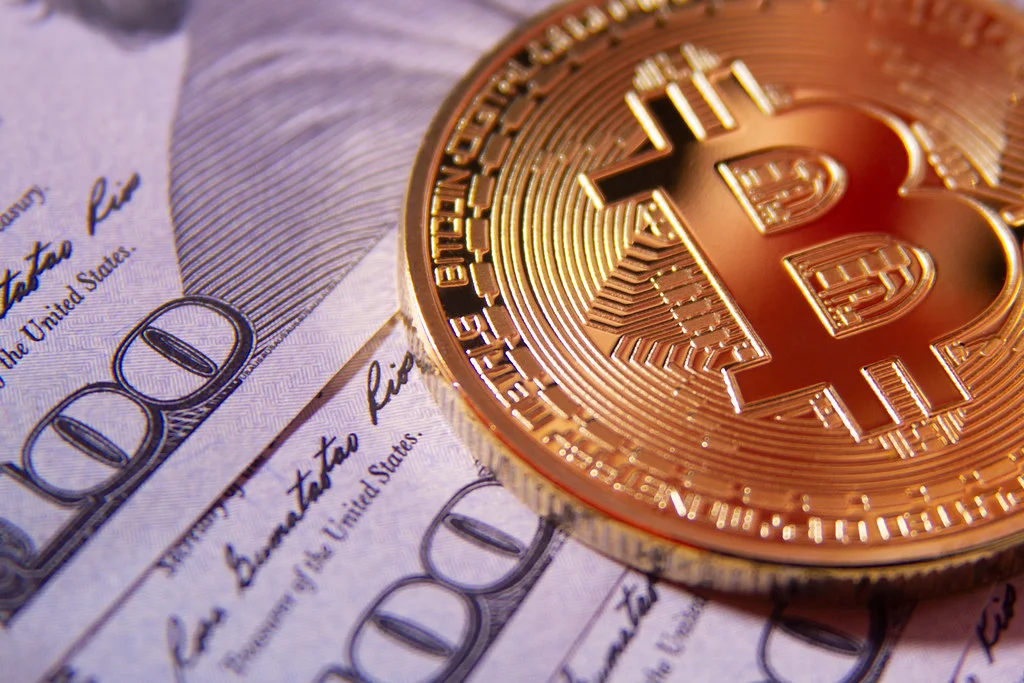


Bitcoin has always been a subject of fascination, but with the current state of mining, the numbers surrounding its availability are even more eye-opening than many might expect.
Firstly, let’s talk about Bitcoin’s total supply. The cryptocurrency is designed with a finite limit: only 21 million coins will ever exist. As of early 2026, around 19,127,250 BTC have been mined, leaving us with just 1,872,750 BTC—a mere 8.9 percent of the total supply that remains to be mined. As Bitcoin recently surged to an all-time high of approximately $120,781, this tiny fraction becomes increasingly valuable, creating immense competition among miners.
The Scarcity of Bitcoin
Since its inception in 2009, Bitcoin has undergone dramatic changes. Back then, it was a new frontier; today, over 91 percent of Bitcoin’s total supply is already circulating. The intricacies of Bitcoin mining make this even more fascinating: the reward system halves approximately every four years, meaning that while the interest in Bitcoin continues to grow, the amount of new Bitcoin released decreases over time.
The last Bitcoin is estimated to be mined around the year 2140. However, the significant action has already occurred, with most of the coins now traded among users. There’s another layer to this narrative: approximately 12.1 percent of all Bitcoin, which translates to around 2,550,000 BTC, is considered lost or sitting in dormant wallets. This includes coins linked to Satoshi Nakamoto, Bitcoin’s enigmatic creator, effectively freezing a substantial portion of the supply in time.
As a result of this scarcity, Bitcoin is beginning to resemble a treasure chest that has already been looted, with less than nine percent left for eager miners and investors.
Distribution of Bitcoin Ownership
So, who exactly holds this “digital gold”? The landscape of Bitcoin ownership is intriguing. Regular individuals collectively control about 62.7 percent of the total supply, which amounts to approximately 13,156,748 BTC. This statistic underscores the widespread accessibility of Bitcoin, allowing everyday investors to grasp a substantial piece of the action.
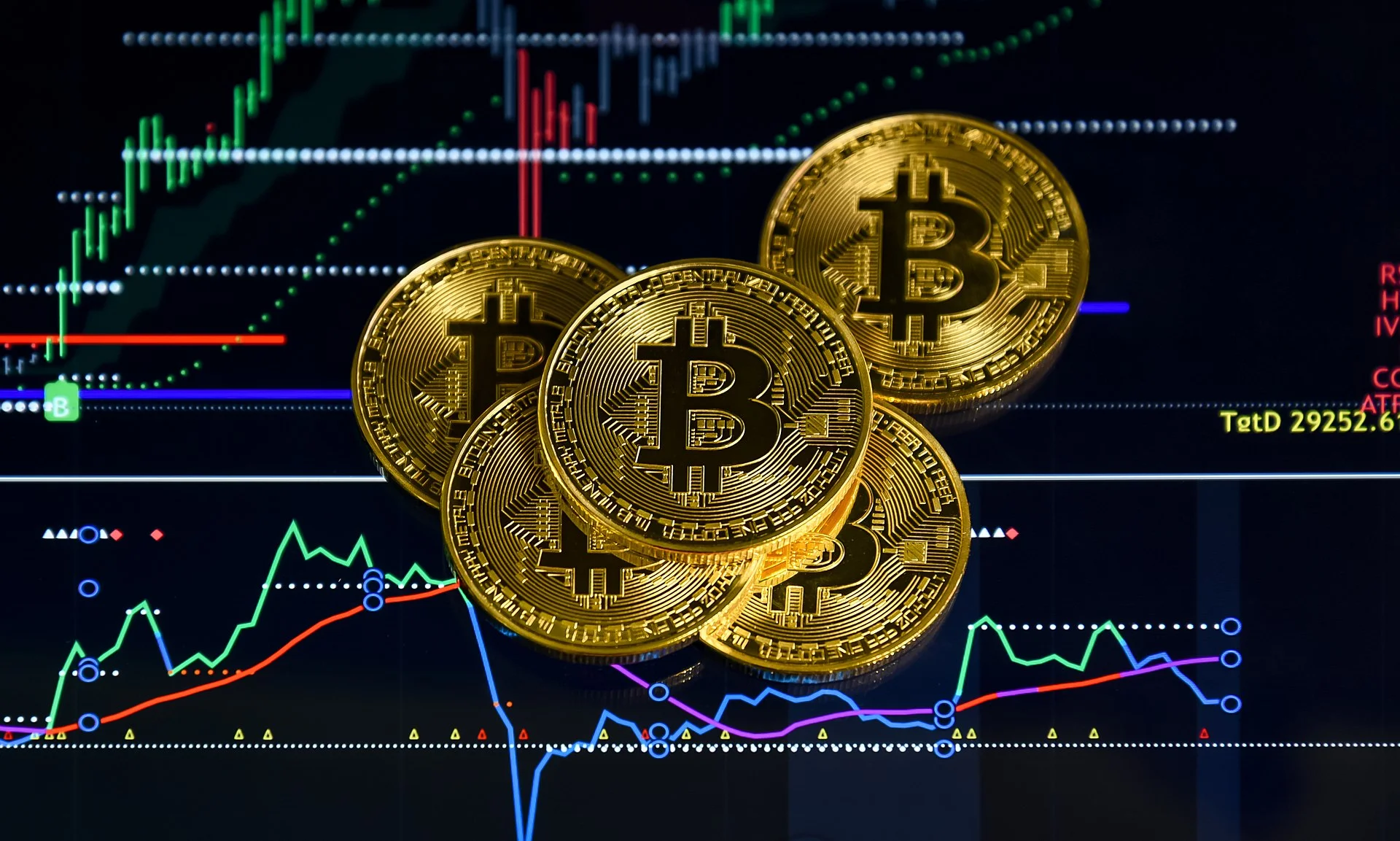
However, the larger players are still present in the game. Exchange-Traded Funds (ETFs) and investment funds account for approximately 7.6 percent of Bitcoin ownership, while corporations hold around 5.6 percent. Interestingly, governments have in their possession about 3.1 percent, which is roughly 647,000 BTC.
With ownership spread across millions of wallets and less than nine percent of the total supply available for mining, the race for Bitcoin is heating up. The dwindling amount left to be mined adds a thrilling sense of urgency to the market, making each coin increasingly precious.
The fascination with Bitcoin isn’t just about its monetary value; it’s about the complex web of ownership, loss, and the future of digital transactions. As we continue to navigate through uncharted territories in the world of finance, Bitcoin remains a bold and exciting frontier.\n