


Ripple CEO Brad Garlinghouse has suggested that stablecoins could serve as the primary gateway for businesses entering the cryptocurrency space, framing dollar-pegged tokens as a more practical on-ramp than volatile digital assets like Bitcoin or XRP.
Garlinghouse Frames Stablecoins as the Corporate On-Ramp
Garlinghouse has emphasized that stablecoins could serve as a key entry point for enterprises looking to adopt cryptocurrency, as reported by The Crypto Basic. His argument centers around the notion of accessibility; for businesses wary of price fluctuations, stablecoins present a less intimidating starting point compared to more volatile cryptocurrencies. By beginning with these dollar-pegged tokens, companies can ease into the cryptocurrency landscape before exploring broader applications.
This perspective fits into a larger narrative Garlinghouse has championed throughout 2026, which he believes could be a groundbreaking year for Ripple. He has noted a surge in institutional interest across the cryptocurrency sector, suggesting that stablecoins might facilitate this growing momentum.
Ripple’s Own Stablecoin Gives the Company Skin in the Game
Garlinghouse’s advocacy for stablecoins is not simply theoretical. Ripple has launched its dollar-backed stablecoin, RLUSD, positioning itself as both a payments infrastructure provider and a player in the stablecoin space, competing against giants like Tether’s USDT and Circle’s USDC. This new offering operates on both the XRP Ledger and Ethereum, specifically targeting Ripple’s existing enterprise clientele engaged in cross-border payments.
If Garlinghouse’s vision that stablecoins could become the default on-ramp for businesses holds true, Ripple could see significant benefits from increased adoption of RLUSD alongside its established payment frameworks. With a solid foothold in both traditional and digital financial landscapes, the company is strategically poised for expansion.
The growth of the stablecoin market itself reflects a broader institutional shift. Major financial players, such as Morgan Stanley, are increasingly exploring digital asset products, including the filing of spot crypto ETFs. This context reinforces Garlinghouse’s belief that stablecoins can act as a wedge into corporate treasuries, making cryptocurrency more accessible to risk-averse enterprises.
Regulatory Timeline and What It Means for XRP
Garlinghouse has also shared insights regarding U.S. stablecoin legislation, maintaining a neutral stance on the Clarity Act while predicting its passage in the near future. If enacted, this legislation would establish a federal framework for stablecoin issuers, addressing one of the most significant obstacles to corporate adoption of digital assets.
Such regulatory clarity could directly benefit Ripple. By operating under clearly defined regulations, RLUSD would offer enterprises a more reassuring option compared to navigating a patchwork of state-level policies. The timeline Garlinghouse referenced sets a concrete milestone for stakeholders in the cryptocurrency space as they anticipate potential changes in the regulatory landscape.
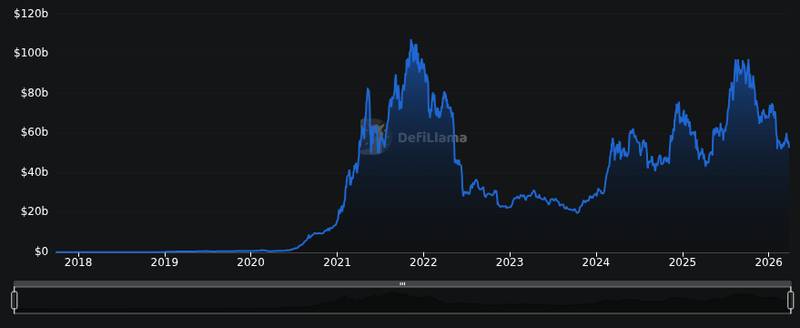
The stablecoin narrative intertwines with the broader dynamics of the crypto market. Standard products like spot ETFs have exhibited volatility, and major fund-level outflows have occurred, particularly impacting investment vehicles like Ark Invest’s Bitcoin ETF. In contrast, stablecoins offer a valuable transactional utility that doesn’t rely on price appreciation, making them appealing to businesses primarily interested in practical applications rather than speculative gains.
The viability of Garlinghouse’s vision hinges on two critical factors: the timely arrival of clear regulatory frameworks and the commitment from banks to explore stablecoin options. As the Clarity Act moves through Congress and banks announce their stablecoin initiatives, the real-world applicability of the “stablecoin as gateway” concept will be put to the test.
Disclaimer: This article is for informational purposes only and does not constitute financial or investment advice. Cryptocurrency and digital asset markets carry significant risk. Always do your own research before making decisions.