

Understanding Linea: A Comprehensive Guide
What Is Linea?
Linea is a Layer-2 (L2) blockchain solution developed by ConsenSys specifically for Ethereum. Its primary aim is to enhance transaction speed, reduce costs, and alleviate congestion on the Ethereum network. By processing transactions off the main Ethereum blockchain and confirming them back onto it, Linea provides users with a more efficient and cost-effective experience. It is fully compatible with existing Ethereum tools and contracts, which means developers can transition their applications without needing to change any code.
How Does Linea Work?
Linea operates as a “faster lane” for Ethereum transactions. Here’s a simple breakdown of how it works:
-
Sending a Transaction: Users initiate a transaction through their wallet (like MetaMask), sending it to the Linea network, where it awaits processing.
-
Grouping Transactions: Linea aggregates multiple transactions, ensuring they meet network rules before placing them in a new block.
-
Quick Confirmation: After creating a block, Linea updates account balances and contract data, usually confirming transactions in under two seconds.
-
Bundling Transactions: Instead of sending each block to Ethereum one at a time, Linea combines them into larger batches for efficiency.
-
Zero-Knowledge Proof Generation: A proof demonstrates that the transactions were processed correctly, which is sent to the Ethereum mainnet for verification.
- Final Confirmation on Ethereum: Ethereum checks the proof and finalizes the transactions, securing them within its ecosystem.
Key Features of Linea
Zero-Knowledge Rollups (zk-Rollups)
Linea utilizes zk-Rollups, a technology that processes multiple transactions off-chain and only sends a concise proof to the Ethereum blockchain. This minimizes costs while maintaining security since Ethereum verifies the proofs.
Benefits of zk-Rollups:
- Security: Transactions are validated by Ethereum.
- Speed: Transactions settle almost instantly.
- Scalability: Efficiently supports DeFi, NFTs, and high-activity applications.
- Privacy: User information remains confidential.
Ethereum Virtual Machine (EVM) Equivalence
Being fully EVM-equivalent means Linea behaves like Ethereum at a technical level. Developers can deploy existing smart contracts seamlessly, use familiar development tools, and integrate with popular crypto wallets. This compatibility reduces risk, making it simpler for Ethereum developers to transition.
Low Transaction Fees
One of the most appealing aspects of Linea is the significantly lowered transaction fees. While Ethereum fees can skyrocket during peak periods, Linea transactions are a fraction of a cent. This affordability makes frequent actions like token swaps and NFT minting practical and accessible.
Scalability
Linea boasts the capacity to process thousands of transactions per second, which keeps the network fast even under heavy load. This scalability means it can effectively handle increasing numbers of users without degradation in performance.
Security
Security for Linea derives from its relationship with Ethereum. Transactions verified on Linea eventually receive final confirmation from Ethereum, ensuring safety for user funds. Even if Linea were to experience temporary issues, user assets can still be accessed on the Ethereum mainnet.
Linea vs. Other Ethereum Layer-2s
| Feature | Linea | Arbitrum | Optimism | zkSync |
|---|---|---|---|---|
| Rollup Type | zk-Rollup | Optimistic | Optimistic | zk-Rollup |
| EVM Compatibility | Yes | Yes | Yes | Partial |
| Transactions Per Second (TPS) | Thousands | Hundreds | Hundreds | Thousands |
| Finality | Seconds | 1 Week | 1 Week | Seconds |
| Transaction Fees | Low | Moderate | Moderate | Low |
| Ecosystem Focus | DeFi, NFTs, Developers | DeFi, Gaming | DeFi, Governance | DeFi, NFTs |
With its zk-Rollup security, full EVM compatibility, and high speeds, Linea distinguishes itself from other L2 solutions, offering an ideal hybrid of scalability and usability.
Benefits and Risks of Using Linea
Benefits
-
Ethereum Security at Lower Cost: Users enjoy the security of Ethereum but pay significantly less in gas fees.
-
Seamless Ethereum Compatibility: The EVM-equivalent architecture allows for a smoother transition of smart contracts without the need for rewriting.
-
New Use Cases: The low costs facilitate use cases like frequent trading, gaming interactions, and micro-transactions.
-
Strong Backing: Supported by ConsenSys and a robust consortium, Linea gains credibility within the Ethereum ecosystem.
- Growing Ecosystem and Tooling Support: Linea integrates well with trusted wallets and developer tools, further enhancing its utility.
Risks
-
New Technology Risks: Being relatively new, there could be software bugs or other issues as the network matures.
-
Bridging Risks: Moving assets between Ethereum and Linea can pose risks, especially with smart contract vulnerabilities.
- Early-stage Centralization: A limited number of operators control critical aspects, but decentralization is planned for the future.
Linea Ecosystem Overview
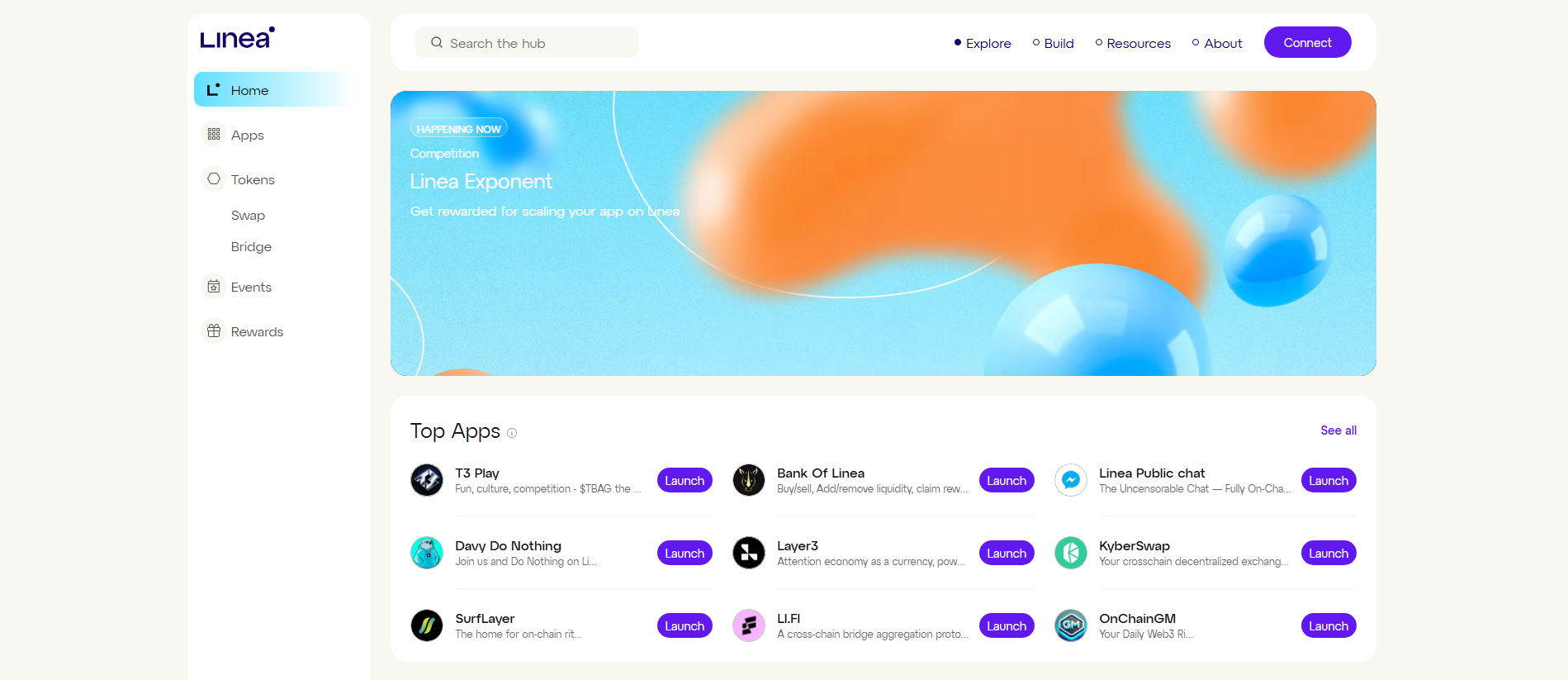
The ecosystem around Linea is expanding and emphasizes user-friendly Ethereum applications:
-
DeFi Platforms: Enable low-cost lending, borrowing, and swapping of tokens, allowing smaller trades without affecting profitability.
-
NFT Marketplaces: Creators can mint NFTs at a lower cost, with collectors enjoying significant savings on transaction fees.
-
Developer Tools: EVM compatibility supports quick migrations of existing smart contracts, allowing developers to maintain their workflow.
-
Wallet Support: Integration with popular wallets like MetaMask and Coinbase provides a smooth onboarding process.
- Bridges: Allow users to transfer assets between Linea, Ethereum, and other networks seamlessly.
How to Use Linea (Step-by-Step)
Step 1: Set Up a Compatible Wallet
Ensure you have a wallet like MetaMask updated to the latest version.
Step 2: Add the Linea Network
Since it won’t appear by default, you’ll need to add Linea’s network details manually or through trusted tools.
Step 3: Bridge Assets from Ethereum to Linea
Purchase ETH from an exchange and bridge it to Linea using a reputable bridge. Start with a small amount to familiarize yourself with the process.
Step 4: Pay Gas Fees in ETH
Transactions still require ETH for gas, so ensure you bridge enough to cover these fees.
Step 5: Interact with Linea DApps
Use various DApps available on Linea, enjoying faster transactions for actions like swaps and staking.
Step 6: Monitor Transactions and Balances
Keep track of your activities through a compatible block explorer to verify confirmations and gas usage.
LINEA Token and Airdrop
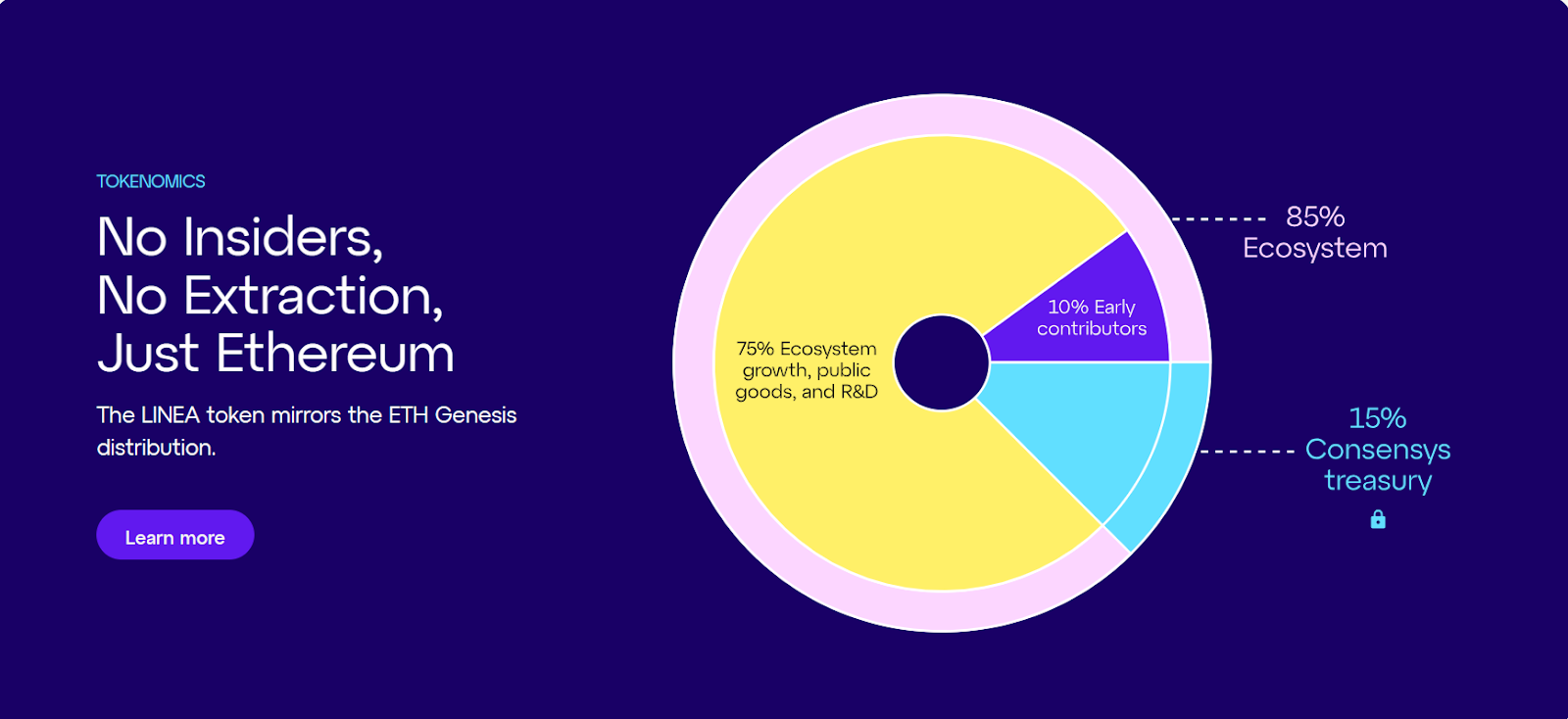
The LINEA token was introduced during a token generation event in September 2025, with a total supply of 72 billion tokens. A significant portion, 10%, was allocated for an airdrop aimed at engaging early users of the blockchain. Qualifying activities included bridging assets and using DApps. Any unclaimed tokens after the airdrop period were redirected to an ecosystem fund aimed at future growth.
LINEA is designed for long-term growth within the network, with all transaction fees processed using Ethereum. The token employs a burn mechanism, permanently removing a portion from circulation with increased network activity.
The Future of Linea Blockchain
As Ethereum scales, so does Linea. By Q1 2026, plans include achieving Type-1 zkEVM equivalence, facilitating app operations without any code changes. Strong backing from ConsenSys positions Linea favorably within the broader Ethereum ecosystem, providing extensive access to developers and tools already in use.
Although competition among Layer-2 solutions is fierce, Linea aims to attract leading applications while continuously enhancing its performance, security, and decentralization to maintain appeal for both developers and users.
FAQs
What’s the primary purpose of the Linea network?
The primary purpose of Linea is to scale Ethereum, improving transaction speeds, lowering fees, and reducing congestion, ultimately simplifying dApp interactions.
Is Linea a good investment?
Many believe so. Linea can attract those interested in Ethereum scaling solutions, but as with all crypto investments, risks are involved.
Can I bridge ETH to Linea?
Absolutely. You can move ETH and other assets from Ethereum to Linea via official bridges for faster transactions and lower fees.
What is Linea used for?
Linea supports the operation of smart contracts, interactions with DeFi platforms, trading tokens, and engaging with NFTs, making it a versatile solution for both developers and everyday users.